For many Canadians, the idea of aging well is closely tied to staying at home. It is where routines feel familiar, where memories live, and where independence often feels strongest. According to the 2025 NIA Ageing in Canada Survey, 81% of older Canadians say they want to remain in their own home for as long as possible, whether in their current home or a smaller, more manageable one.
Staying at home safely depends on having the right supports in place. As people age, everyday risks like falls, mobility challenges, and changes in health can make living independently more complex. Technology is becoming an increasingly important component of that support, helping people maintain independence while adding an additional layer of safety.
Supporting Independence and Safety
Technology in the home is often misunderstood as something that is meant to replace human care. Its role is to support care. From simple emergency response systems to more advanced monitoring tools, modern technological solutions provide added security while allowing people to continue living on their own terms.
Many of these tools operate in the background. Wearable devices can detect sudden movements or falls. Home-based systems can monitor patterns and alert caregivers if something is out of the ordinary. The goal is to ensure that if something goes wrong, help can be reached quickly.
For older adults, this can mean greater confidence in daily life. For caregivers, it can ease the pressure of needing to be physically present at all times while still staying connected to a loved one’s well-being.
The Value of Getting Help Quickly with Technology
Even with planning, unexpected situations can happen. Falls are a common concern for older adults and can affect both physical health and confidence.
Research published in Scientific Reports in 2025, “An investigation into the acceptance of intelligent care systems: an extended technology acceptance model (TAM),” highlights the importance of a timely response after a fall. The researchers note that getting help quickly can reduce the risk of hospitalization by 26% and the risk of death by 80%.
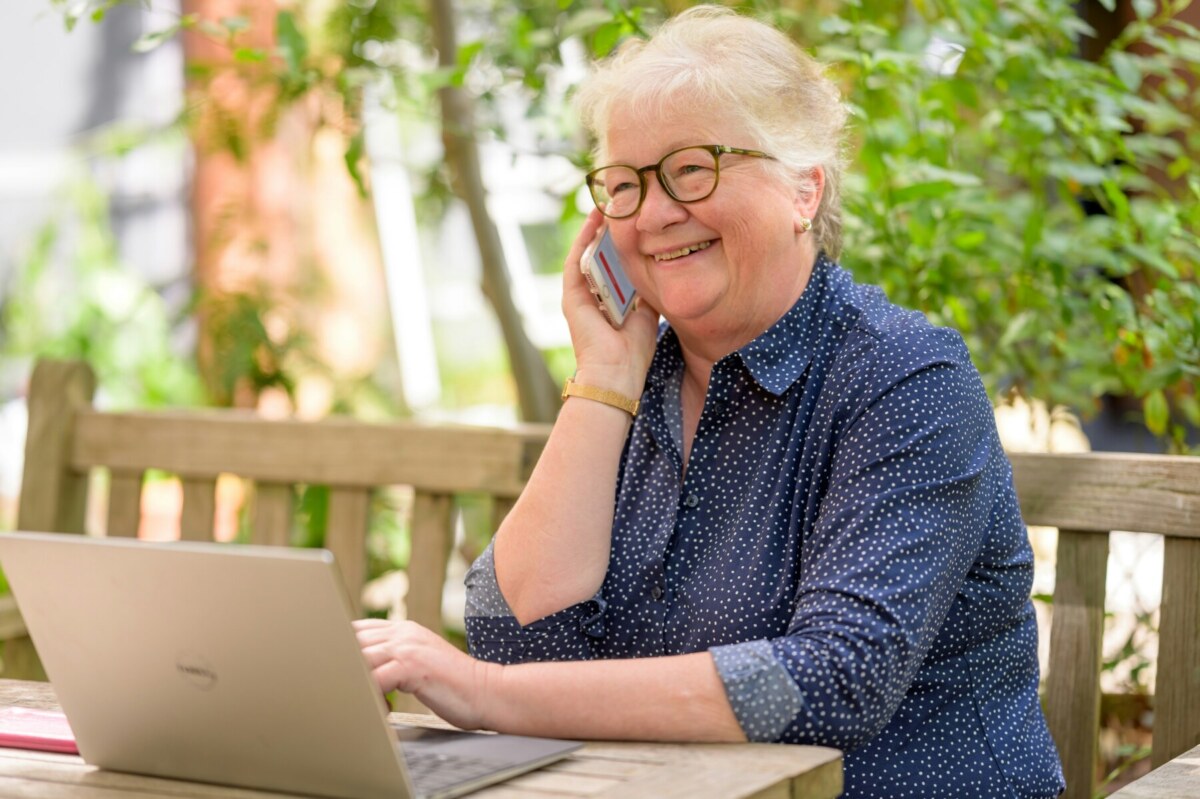
Technology can make a meaningful difference in these moments. A wearable device or monitoring system can connect someone to help right away, whether that means reaching a family member, a neighbour, or emergency response services. For individuals, this can reduce fear during an emergency. For caregivers, it provides reassurance that support is available even when they are not physically present.
Understanding Technology Introduction and Adoption
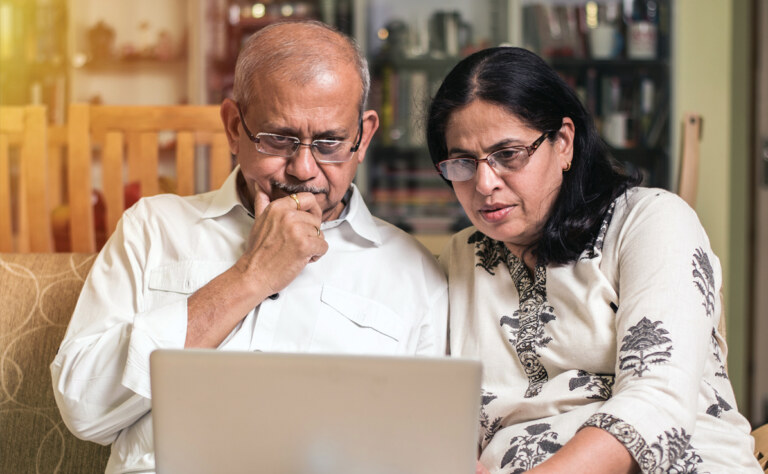
The way these tools are introduced and adopted is shaped by assumptions about older adults and technology. According to the 2025 NIA Ageing in Canada Survey, one in four older Canadians, or 24%, report that people assume they cannot handle technology. When these assumptions are present, conversations about digital tools may happen later than they should or not at all. Opportunities to build confidence, provide guidance, and introduce solutions that support safety at home can be missed.
These tools reduce the time between an incident and the response. This can make a meaningful difference in recovery and peace of mind.
Designing Technology for Real Life
For technology to support aging in place, it needs to fit into everyday routines. Devices need to be fairly intuitive, comfortable to wear, and reliable.
We are more likely to adopt tools that feel familiar, straightforward, and easy to incorporate into daily life. Trust also plays a role. Solutions that are simple, consistent, and clearly beneficial are more likely to be used over time.
Usability is critical. Tools that are intuitive, unobtrusive, and designed with real users in mind are more likely to be adopted and used consistently.
Education and support are also important. When older adults can learn how a device works, ask questions, and try it out in a low-pressure setting, they are more likely to feel confident using it. Tech can then become part of how they maintain independence.
A Shared Goal for Safer Aging
Creating safer home environments is a shared effort among older adults, families, healthcare providers, and the broader support system.
Technology is one part of that effort. It can support faster responses in emergencies and increase a sense of security in daily life.
As Canada’s population continues to age, there is a growing focus on solutions that support independence for longer. With the right tools, thoughtful design, and a clear understanding of older adults’ capabilities, people can live safely at home on their own terms.
–
About The Author
Samir Hidjir is the Director of Product Technology & Innovation at Lifeline Canada. A strategic technology executive with more than 20 years of experience leading complex digital health, AI, and machine-learning initiatives, Samir has dedicated his career to developing solutions that enhance safety, independence, and quality of life for aging and at-risk populations.