Building safer spaces
A Ugandan queer couple have founded an Ottawa-based organization to support 2SLGBTQ+ refugees fleeing persecution. The pair met while working in Dubai, where they faced dangerous scrutiny over their relationship. Later moving to Qatar, they lived quietly as “roommates” until workplace gossip reignited suspicion and an HR investigation. Now safe in Canada, they are using their experiences to help others rebuild.
Source: NOW Toronto
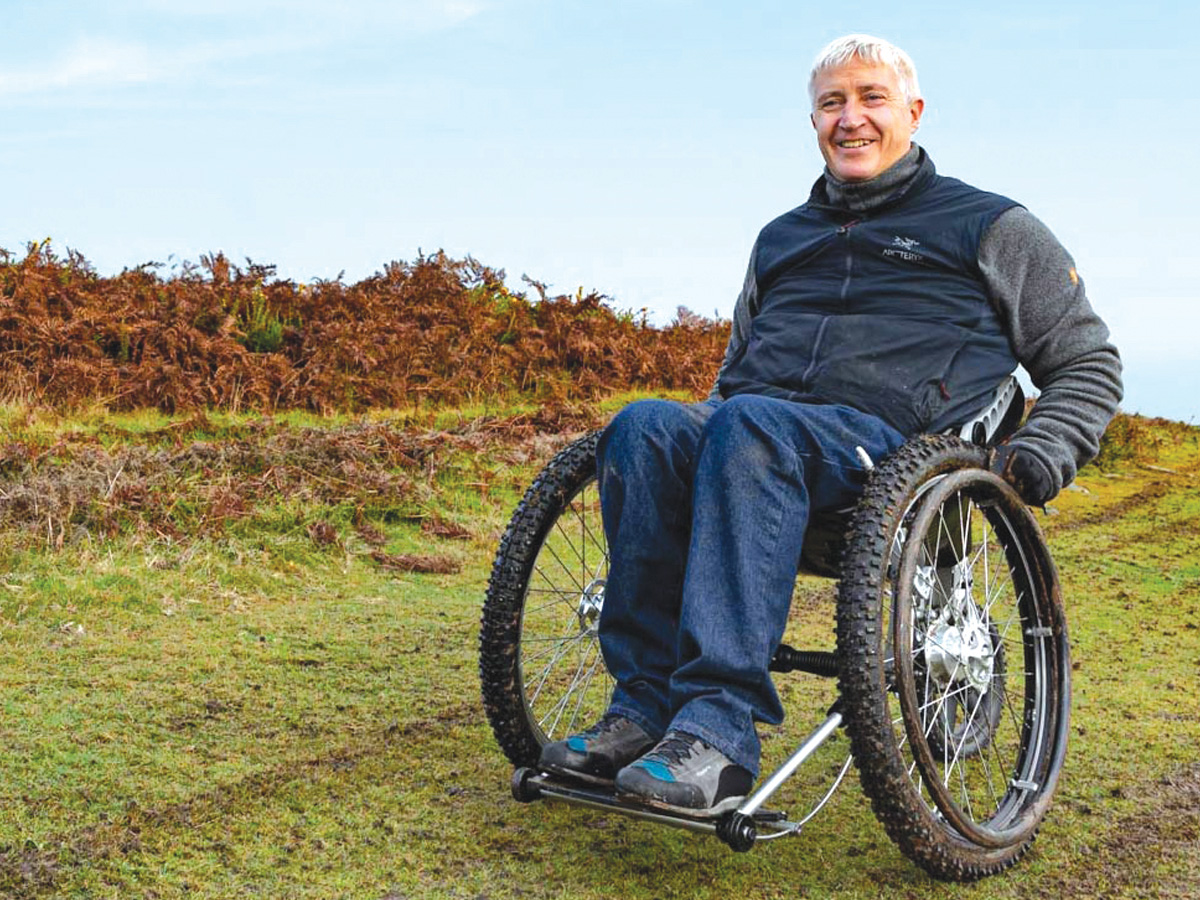
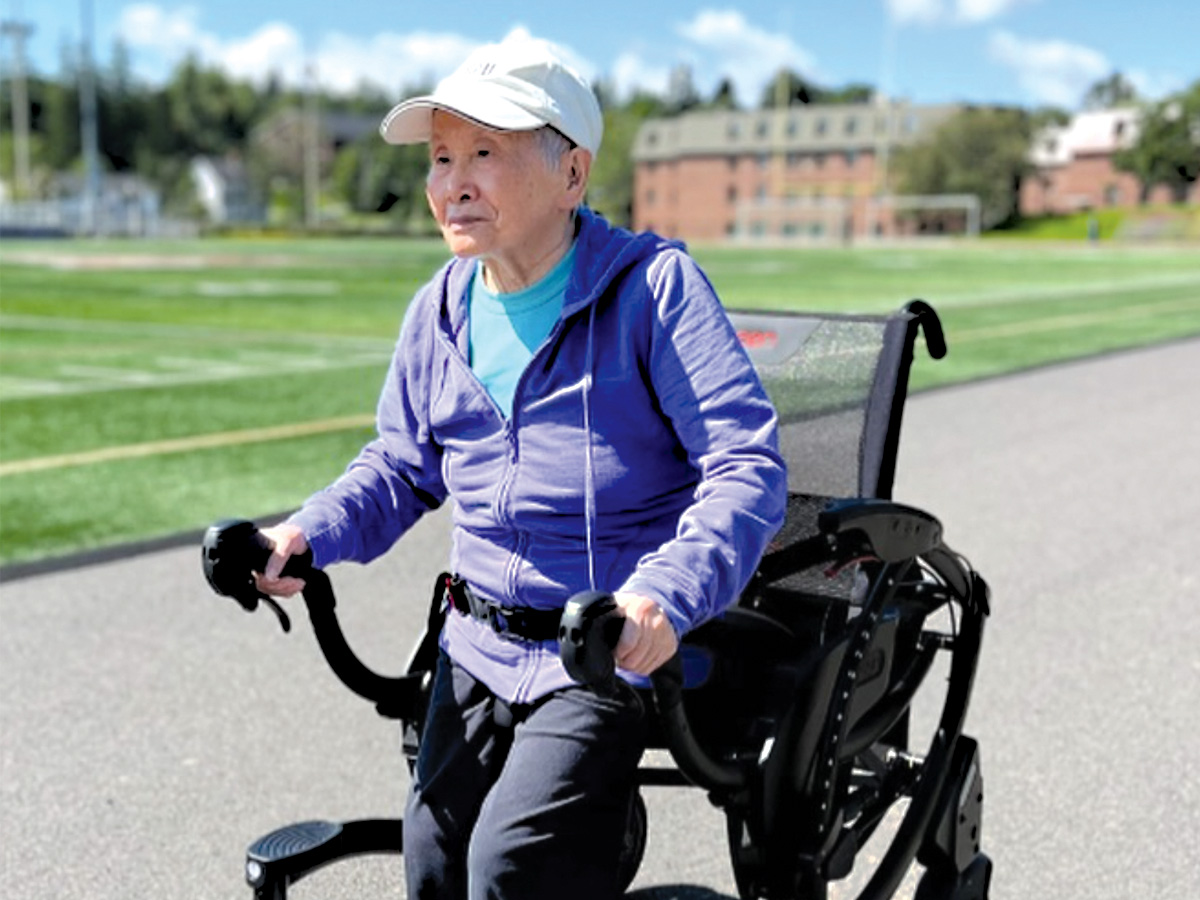
All-terrain caregiving
Meet the K2 Plus One, an attendant-controlled all-terrain wheelchair designed for children and adults. Built on the award-winning previous model, it features a manual brake, an adjustable handlebar, and a lightweight carbon fibre chassis inspired by Formula 1. With customizable seat sizes and colours, K2 combines style, comfort, and durability. The Varicam system adapts wheel camber instantly, while suspension ensures a smoother ride, for users and confidence for caregivers.
Source: Trekinetic

Gut rot solutions
Food sensitivity and allergy tests have shown to be unreliable and lack scientific support. Today, elimination diets are considered gold standard for identifying problem foods. The process—systematically remove potential triggers, then slowly reintroduce them while tracking symptoms. Though time-consuming, elimination helps uncover intolerances more accurately. With medical guidance, approaches like the low-FODMAP diet can also ease bloating, pain, and digestive discomfort as well.
Source: The Health Insider

Leading by example
As the first chair of the Halifax Fringe Festival who lives with a disability and co-founder of DisabilityX, April Hubbard embodies creative liberation that transcends physical limitations. Proving that true artistic vision knows no boundaries, Hubbard’s documentary follows her trajectory from excluded performer to revolutionary force in Nova Scotia’s arts scene. April continues to shatter perceptions and leads the way that transforms new opportunities for artists.
Source: National Film Board

Embarrassing products?
New research from the University of Notre Dame shows that while consumers often dislike chatbots, they prefer them when buying products like acne cream or diarrhea medicine. Across seven experiments with 6,000+ participants, shoppers disclosed more and felt less judged with non-human chatbots than with humans or human-like bots. The findings suggest sensitive purchases can be more successful without humans.
Source: University of Notre Dame

Two hours a day
The town of Toyoake in Japan has proposed limiting residents’ smartphone use to two hours a day outside of work and study. Sparking national debate, the guideline is set for a possible October approval. While it carries no penalty Mayor Masafumi Koki said it is meant to encourage families to reflect on device habits. While some support the measure, most residents voiced opposition, citing concerns over personal freedom and practicality.
Source: BBC
Images: Getty Images, Unsplash. National Film Board of Canada. Stella Nakitende, NOW Ottawa. Trekinetic All Terrain Ltd.