Slow biological aging
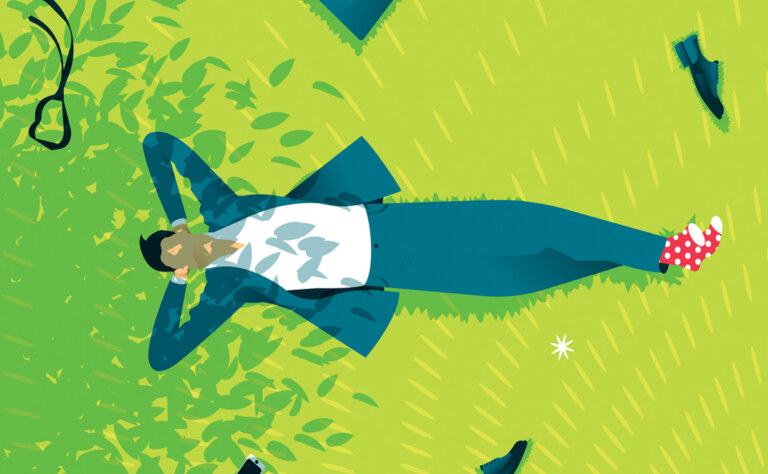
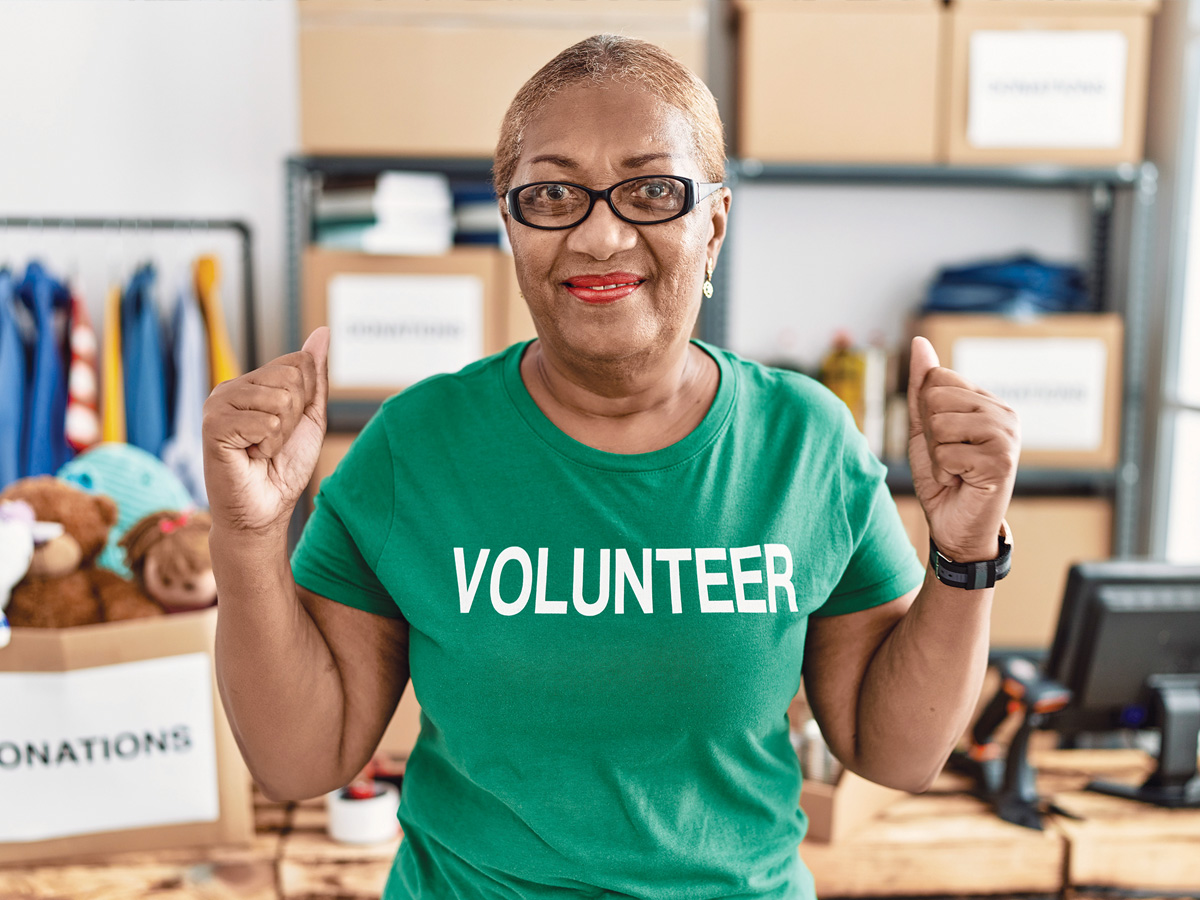
New research shows that volunteering each week could help you live a longer, healthier life. The study found that volunteering—even for one hour a week—is linked to slower biological aging, which reflects how old your cells and tissues appear vs. your actual age.
The researchers controlled for other health variables—including frequency of physical activity, smoking, binge drinking, obesity, and more—and still found the same connection. Results showed that people who volunteered for one to four hours per week experienced slower aging compared to those who didn’t volunteer at all. Retirees seemed to benefit most than current members of the workforce, even with as little as one hour of volunteering a week.
Also, the more someone volunteered, the more pronounced the health impact became. Volunteering more than four hours a week had the greatest reduction in biological age acceleration, regardless of one’s work status.
First, volunteering often involves physical activity, like walking, which contributes to healthier aging. Social connections play a key role to reduce stress and improve cognitive function. Volunteering can also create a sense of purpose, improving mental health and buffering any loss of important roles, like spouse or parent, as we age, according to the study authors.
Source: health.com
What is emotional eating?
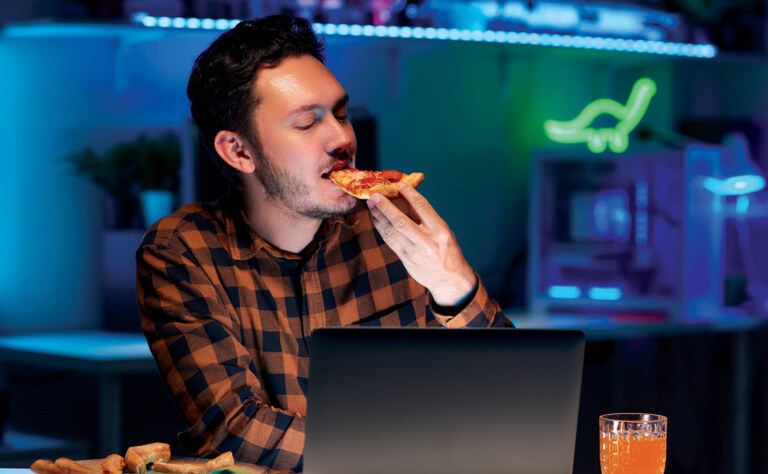
The tendency to eat in response to negative emotions rather than physical hunger is referred to as emotional eating. While not considered a formal eating disorder, it is a common coping mechanism that can negatively impact a person’s physical and mental health. Stress from work, finances, or relationships can trigger emotional eating leading to cravings for comfort foods and reduced motivation to eat well.
Unlike physical hunger, which develops gradually and reflects the body’s need for nutrients, emotional eating comes on suddenly, often tied to specific emotions such as sadness, anxiety, anger, or boredom. It can also involve rapidly eating high-fat or high-sugar foods, feelings of guilt afterward, and potential weight gain. Research suggests that emotional eating alters the brain’s reward pathways, making it harder to recognize hunger and fullness cues.
Certain factors increase the likelihood of emotional eating, including being female, younger, or having difficulty with delayed gratification. Changes in the ‘lateral hypothalamus’, a brain region tied to stress responses, may also play a role. Highly processed foods can reinforce the cycle, as their effects on reward pathways make them more appealing during stressful times. Recognizing these patterns is the first step toward developing healthier coping strategies.
Source: Psych Central
Could you be a doctor?
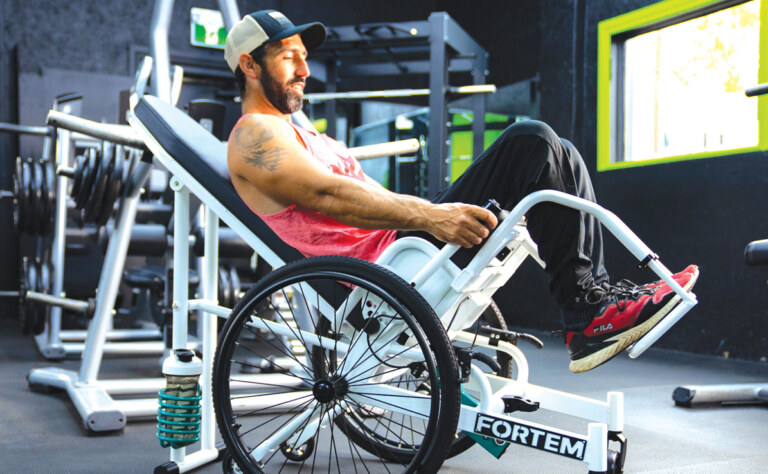
The medical profession has long been shaped by narrow minded assumptions about who is “fit” to provide care. People with disabilities, despite their skills, compassion, and determination, often face skepticism about their ability to practice medicine.
Society’s perceived image of tireless, able-bodied and physically agile leaves little room for those whose disabilities, nor challenge traditional expectations. This bias not only excludes the talented from the profession but also impoverishes our healthcare system by limiting the diversity of perspectives within it.
Medical students and professionals with disabilities often encounter patronizing attitudes, or the belief that their presence is “inspiring” rather than skill-based.
Inaccessible facilities, outdated training practices, and a lack of role models reinforce the message. However, inclusive medical education benefits everyone. Physicians who live with a range of disabilities bring invaluable empathy, lived experience and remarkable adaptability alongside an understanding of patient circumstance—qualities essential to effective care.
Medicine’s future strengths lies not in uniformity but in representation. True healing starts when every capable and passionate individual, regardless of ability, is given the chance to serve.
Source: CBC
Images: Faruk Tokluoglu, Unsplash. iStock. Shutterstock.