What you need to know…
Second wind
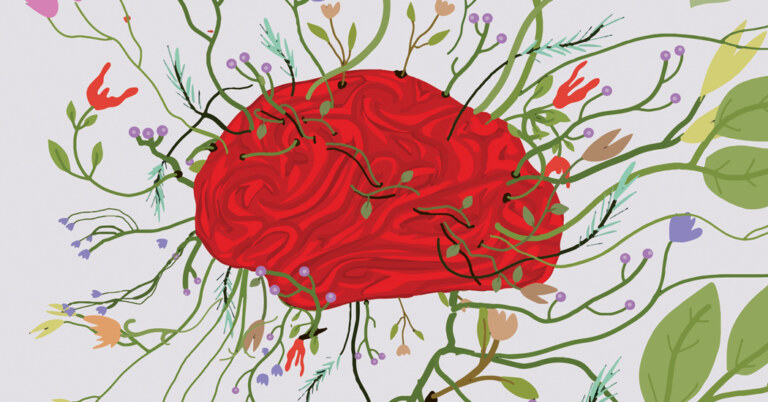
Ever notice how energy suddenly returns right when you thought you were done for the day? Researchers say the “second wind” effect is a neurological reset triggered when the brain manages to sense that you’re pushing through fatigue. At times like this, your brain has the ability to release a small burst of endorphins and cortisol, giving you a temporary lift. While this shouldn’t be a sign to overdo it, this phenomenon does explain why your tired mind can suddenly feel sharper after a short break or change of scenery.
Source: Biology Insights

Feel full longer
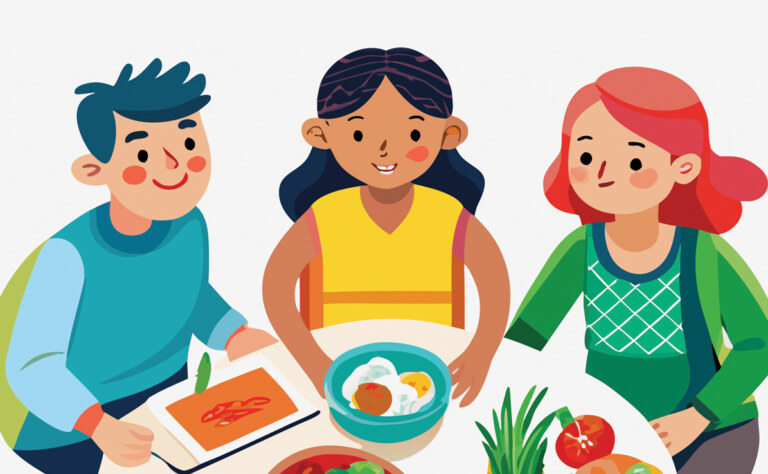
Some carbohydrates, called ‘resistant starch’ aren’t fully digested and instead stay on to feed the beneficial bacteria in your gut. This can support digestion and help you feel fuller for longer. It may also help slow down how quickly sugar enters your blood, which is especially helpful for people with type 2 diabetes. Foods high in resistant starch include lentils, chickpeas, beans, and even cooked-and-cooled rice or pasta.
Source: BBC
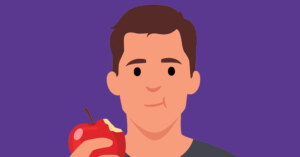
Chewing and stress relief
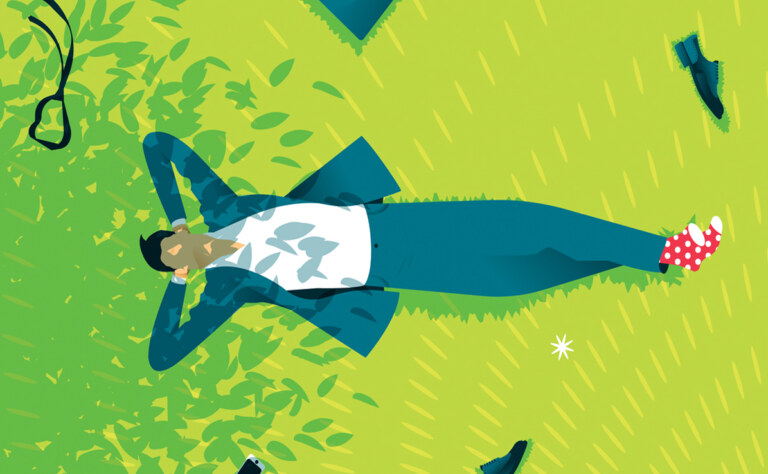
Chewing, whether it’s gum or a crunchy snack, gives your nervous system a rhythmic, grounding cue. That repetitive motion can help dial down stress and give your brain something simple and predictable to latch onto. Some research even links chewing to small boosts in attention during mentally demanding moments, making it a surprisingly practical little tool when you’re overwhelmed or scattered.
Source: British Journal of Psychology

Getting nostalgic?
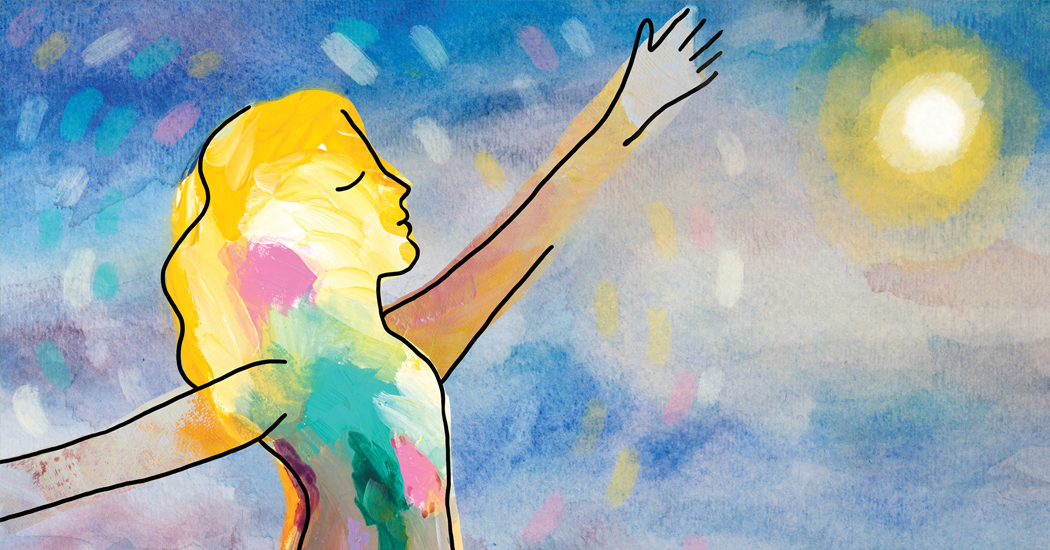
Thinking about a favourite childhood memory isn’t just sentimental, it’s physiological. Studies show nostalgia increases feelings of social connection, stabilizes mood, and even warms the body slightly by activating comfort‑related neural pathways. Experts suggest this is but one of the reasons people turn to old songs, familiar foods, or classic movies during stressful times.
Source: American Psychological Association

Bite-sized learning
Short, bite-sized lessons, often under 10 minutes, are becoming the most effective way to learn new skills. Cognitive scientists say the brain absorbs information better in small bursts, especially when spaced throughout the day. It’s why micro courses, quick tutorials, and short podcasts are becoming the new go-to.
Source: ScienceDirect

Warm hands
Warming your hands with a mug, heating pad, or warm water is a clever, proven way to help your body shift out of stress mode. Therapists sometimes use this technique because it activates the parasympathetic nervous system and helps clients ground themselves during anxious moments. It’s a small, simple trick with surprisingly soothing results.
Source: WellyHub
Images: iStock. Shutterstock.