Are you getting on with it or putting it off!
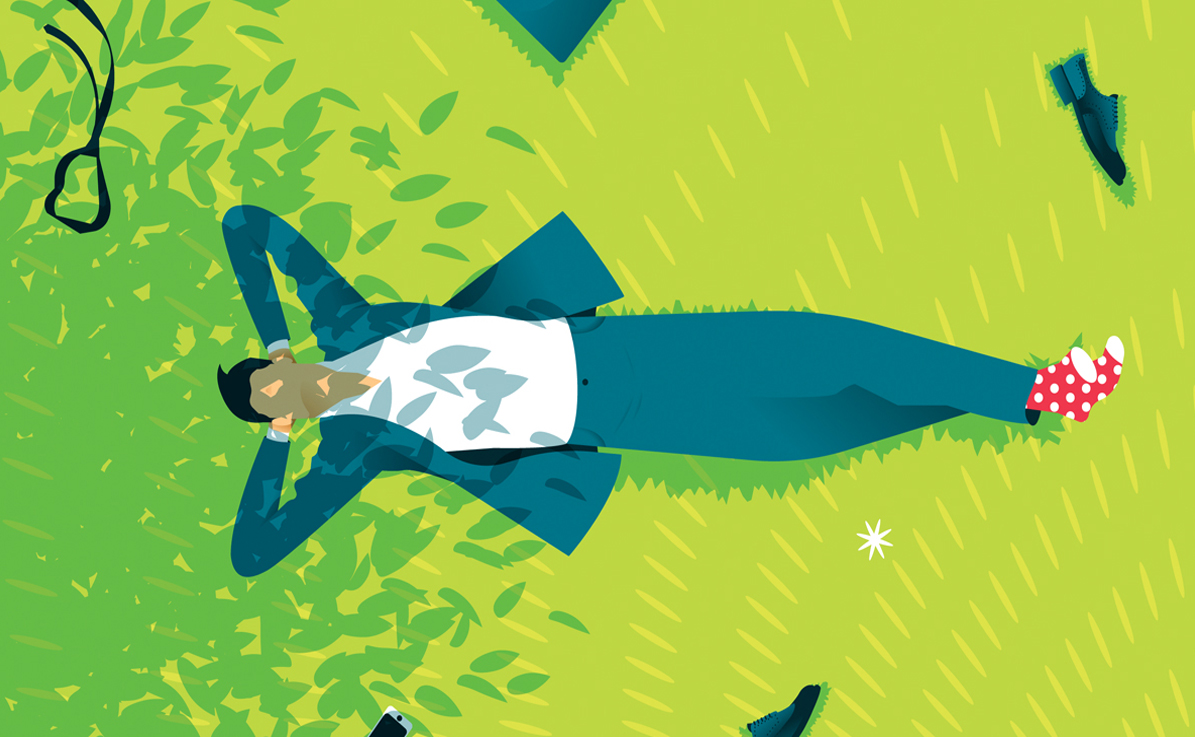
For many of us, procrastination comes with a lot of emotional baggage, says neuroscientist Anne-Laure Le Cunff. She suggests that not getting on with things, shouldn’t be a source of shame. It’s “really just a signal from your brain that something is not working quite right at the moment.”
Le Cunff has created a “triple-check” system to evaluate the why behind avoiding a task. She recommends asking yourself if the delaying is coming from the head, the heart or the hand?” If procrastination comes from the head, it means you’re not fully convinced you should be working on that task in the first place. The heart refers to feelings so waiting means you don’t feel like this is going to be fun or exciting. And, from the hand, shows you don’t believe that you have the right tools, the right skills, or the right supports to get the task done.”
Once you’ve identified why you’re avoiding a task, “you can systematically find ways to get unstuck,” Le Cunff tells us. To tackle “head” problems, Le Cunff recommends taking a step back and evaluating what doesn’t feel right about the work. For tasks you’re avoiding because they don’t feel sufficiently exciting or stimulating, Le Cunff’s best advice is to “make the environment fun,” she says. If you tend to procrastinate when you feel overwhelmed or unprepared, try reaching out to experts, trusted friends or colleagues for advice.
Source: CNBC
Indigenous Disability & Wellness Gathering
The 2026 Gathering will take place at the Mary Winspear Center from November 17th to November 19th, 2026, on the ancestral and traditional territories of the WSÁNEC people. During this event, we will also celebrate the 35th anniversary of Indigenous Disability Canada (IDC) / British Columbia Aboriginal Network on Disability Society (BCANDS), as well as the 12th anniversary of Indigenous Disability Awareness Month (IDAM), which has been acknowledged and proclaimed both in Canada and internationally!
The 2026 Gathering will bring together Indigenous and non-Indigenous governments, leadership, service providers, community members, and others to learn, connect, and collaborate in addressing the unique barriers Indigenous Peoples with disabilities face.
The gathering will encourage continued steps to dismantle historical and current barriers and the attitudes and perceptions that negatively impact Indigenous Peoples with disabilities. By forming new and expanded partnerships for collaboration and identifying the best practices for the broader disability and health sectors. Together, we will continue to shape a Canada that is inclusive and responsive to the needs of
all peoples and abilities.
Follow the Gathering on “X”: @IDCGathering or on Instagram: @gathering_bcands.
indigenousdisabilitygathering.com
Can grip strength predict health?
Twisting jar lids, carrying groceries, opening doors, or steadying during a stumble, most of us rely on grip strength. Now, a growing body of research suggests these small movements offer a powerful glimpse
into our overall wellbeing and how we’re aging. Experts have discovered that the level of firmness you can use when squeezing is consistently linked to risk of chronic disease, disability, and even early death—sometimes predicting outcomes more accurately than traditional measures like blood pressure or body mass index.
Grip strength is measured using a handheld dynamometer that records force during an isometric squeeze on both hands, producing scores that range from 40lb in someone with poor strength to well over 120lb in a healthy adult male.
“Because grip strength is influenced by so many factors across a lifespan, it can tell us much about what we need to know about the health of the body and the brain,” says Darryl Leong, director of the McMaster University and Hamilton Health Sciences cardio-oncology program and the lead study author. The good news is that declining grip strength can usually be improved through lifestyle changes like grip strength exercises and adding more protein to your diet. Everyday habits also add up. For instance, carrying groceries, using manual tools, choosing luggage with handles instead of wheels when safe.
Source: National Geographic