
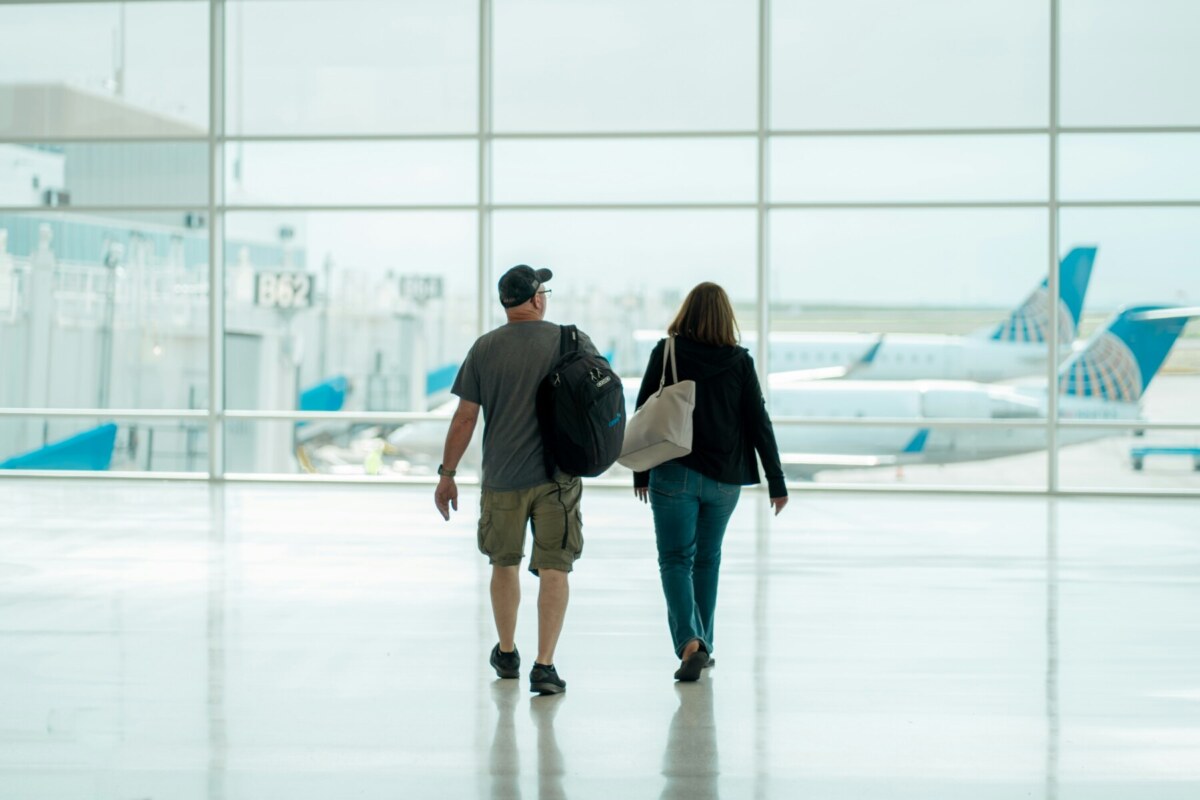
Going abroad can be an exciting experience, but if you often experience sensory overload, it can be stressful too – particularly if you have to navigate a busy airport. With the potential for crowded spaces, loud noises, and the added pressure of getting through each security checkpoint and making your flight on time, there’s a lot to think about when it comes to preparing for this first part of your trip.
You shouldn’t have to struggle in silence if you have sensory sensitivities. In this guide, we share three tips for navigating busy airports, and cover the benefits of speaking to staff, planning ahead of time, and packing a sensory kit.
Speak to staff and carry the appropriate documentation
If you have a disability, you have certain rights when you travel. These may vary depending on your location and the destination you’re visiting. To be safe, it’s best to carry any documentation with you that will help you to advocate for yourself, such as medical notes. There may be other documents you’re required to carry if you’re seeking certain accommodations, so make sure to check with airport staff before you set off on your trip.
You may want to request assistance at the airport, such as someone to help you at the check-in desk or provide you with information in an alternative format. They may be able to approve travel with an assistance animal if you have one, such as an autism service dog, or provide you with access to a quiet area should you need time out in a less stimulating environment.
Plan for the bits you can control ahead of time
Airports are unpredictable, but there are some parts of your journey that are within your control, like what time you arrive at the terminal, what you pack in your hand luggage, and where you sit on the plane. If you plan for these parts of your trip ahead of time, you’ll take out some of the guesswork, which can help to reduce feelings of overwhelm and overstimulation.
These won’t always have a direct impact, but they can help. For example, arriving at the airport early doesn’t necessarily mean you’ll find fewer crowds – but it does mean that you have a bit of extra time to navigate through the airport at your own pace, stopping if you need to. Similarly, booking a particular seat on the plane means that you’re able to choose a quieter corner or somewhere less frequented by people getting up to use the facilities.
Pack a sensory kit or bring support items
A sensory kit can be a useful tool for both kids and adults. You’ll want to customize your sensory kit to suit your individual needs by thinking about your triggers. For example, if you’re most sensitive to sound, consider noise-canceling headphones. For tactile needs, fidget toys can be a great tool.
Commonly packed sensory items include:
- Visual soothers, such as a sleep mask
- Auditory soothers, like headphones, earplugs, a soothing playlist or white noise apps
- Tactile soothers, like fidget toys or a soft blanket
- Oral soothers, like gum, snacks or a reusable chewable necklace
- Olfactory soothers, such as essential oils
Ultimately, any item that brings you comfort and is soothing to you can be packed in your sensory kit. Just remember to check hand luggage restrictions for your airline beforehand, to be sure that you’ll be allowed to bring your items on the plane.
Tips for preparing ahead of your flight
Navigating a busy airport can feel overwhelming, but there are steps you can take to make the experience more comfortable for you. While you’ll want to start preparing as early as possible, remember that you can seek support during your journey too.
It’s a good idea to familiarize yourself with any assistive processes and accessibility features you’ll need access to, by contacting the airport ahead of time. Likewise, you may want to speak to staff in advance to learn who you should reach out to if you face any issues during your journey. If you’re in doubt about any part of your experience at the airport or on your flight, it’s always best to ask – airport staff should be more than willing to help.