

“Kid-walking” stunt kick-starts myopia reduction
In an unorthodox attention-getter. Multiopticas highlights the alarming co-relation between kids spending less time outdoors and skyrocketing cases of childhood nearsightedness. Calling this cohort the “blurry generation” the campaign calls for serious behavioural changes.
Source: Trendwatch
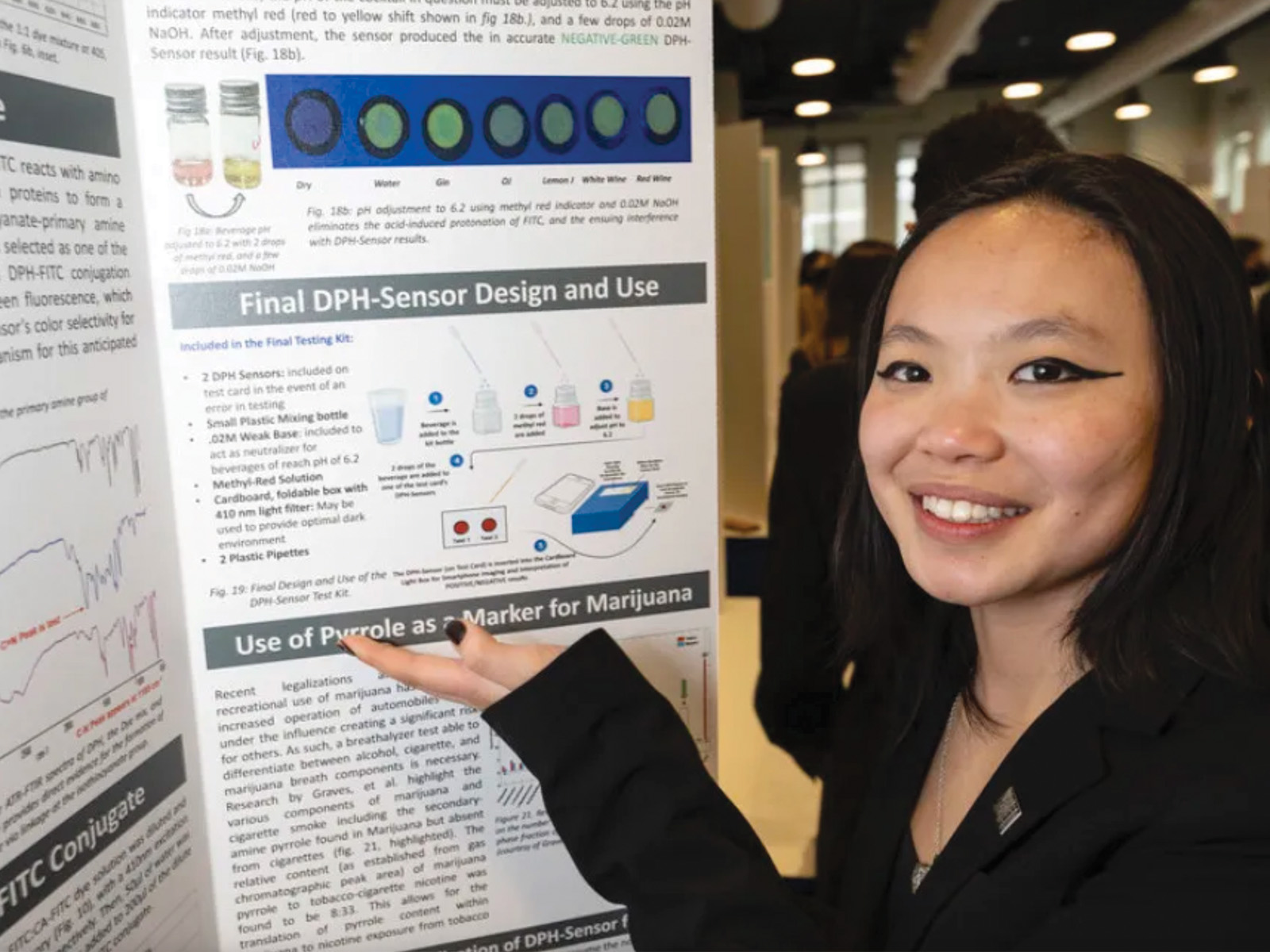
Preventing spiked drinks with a game-changing innovation
Angie Fogarty, an 18-year-old high school senior, has developed a small and inexpensive sensor that detects the presence of diphenhydramine (DPH), the ingredient in Benadryl that causes drowsiness, when slipped into someone’s drink. Fogarty’s sensor uses a simple colour-changing test. With the prize money she received at the recent Regeneron Science Talent Search, Fogarty plans to pursue patents and market her sensor, which also has potential applications in detecting marijuana use and adulterants in drug supply.
Source: Smithsonian Magazine

Ketamine response varies
An increasingly popular treatment for depression and pain, Ketamine is often given as an alternative to addictive opiods. However, a Stanford led study found that Ketamine’s ability to block brain receptors may be extinguished in male subjects.
Source: Stanford Medicine
Images: CanStock. Dreamstime. Freepik. iStock.


